





Brackets autoligables

Self-ligating brackets

Correct the position of your teeth to have a beautiful smile and improve your bite.

From 2.165 €

From 2.165 €


Discover what it is

What are self-ligating brackets?

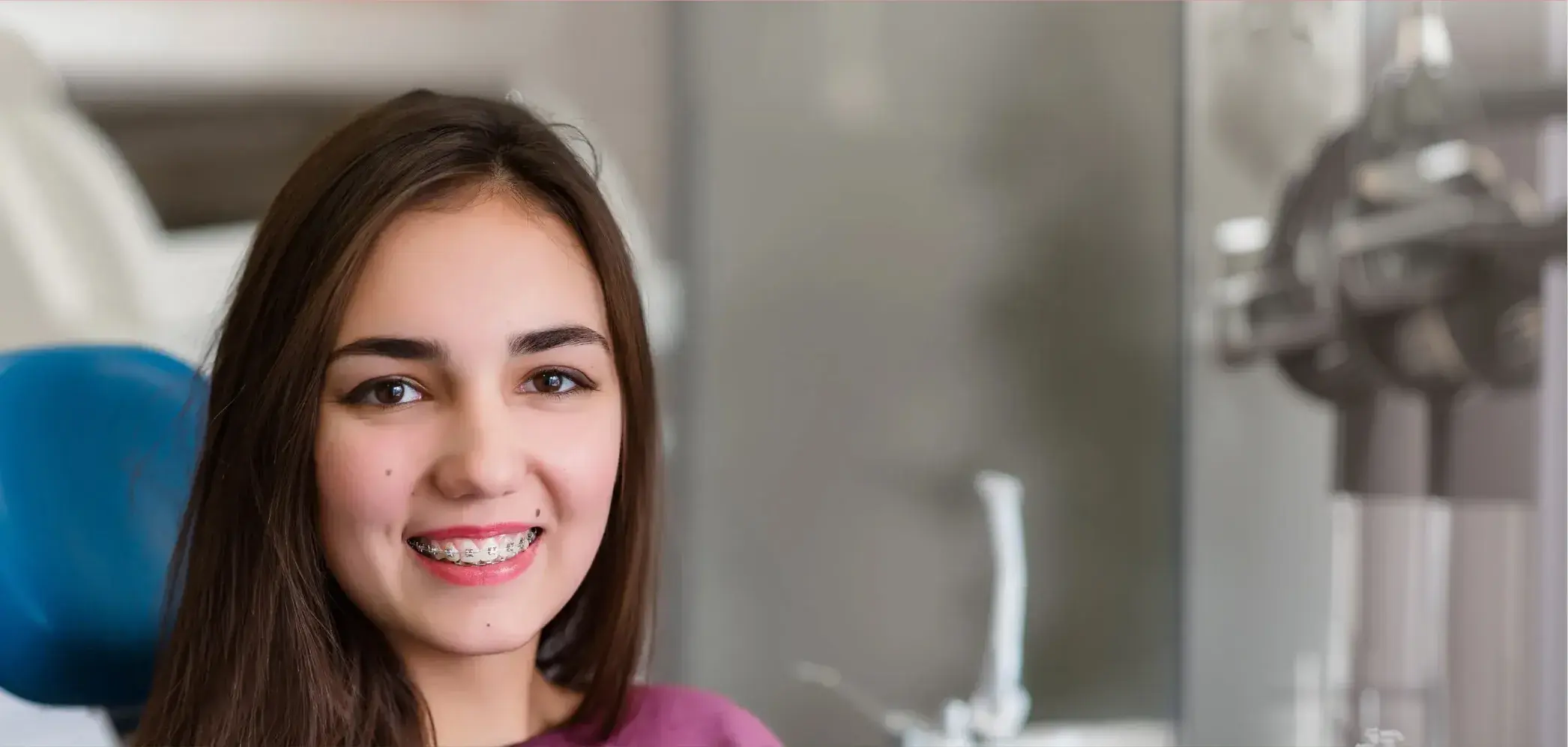
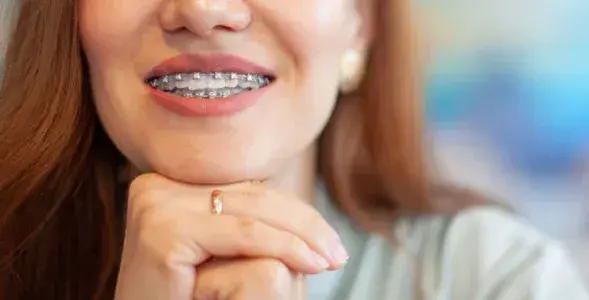
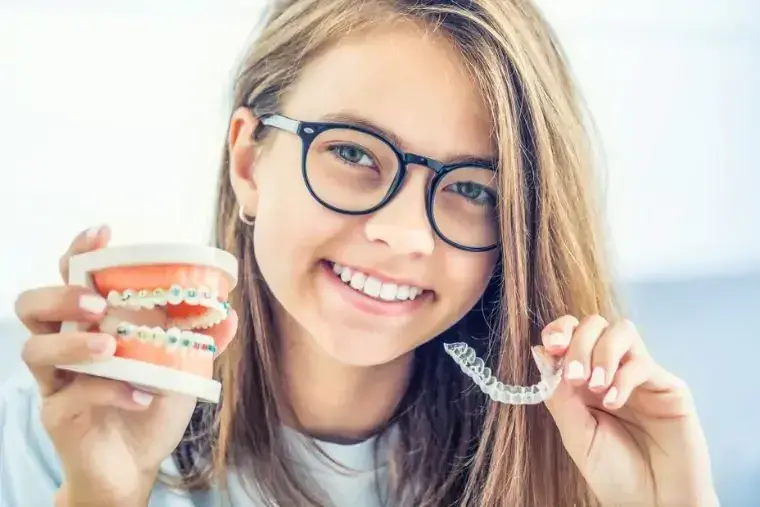
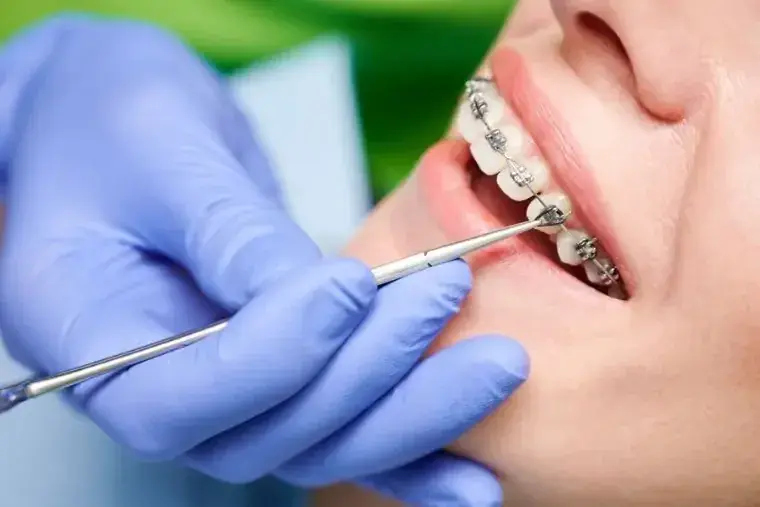
Self-ligating brackets are elements for orthodontic treatment that do not need ligatures or elastics to hold the wire on them. Increasing numbers of professionals are choosing to use this technique to correct bite problems, for its efficacy and speed in obtaining results. Their operation is very simple: unlike traditional brackets, self-ligating brackets do without elastics and the wires are held by a clip or closure that exerts sufficient pressure to correct the position of the teeth.

This technology minimises the pressure exerted on the tooth, providing fast and comfortable tooth movement. A mechanism that generates very little friction, allowing teeth to align much sooner.

Types of self-ligating brackets

Depending on the material used and the self-ligating system, we can distinguish between different types of self-ligating brackets.

Brackets autoligables metálicos
Brackets autoligables estéticos
Brackets autoligables activos
Brackets autoligables pasivos

Self-ligating brackets prices

These prices are a guide for complete treatments.

With Dental Total insurance

MOST POPULAR

With Dental Max insurance

Without insurance

Metallic self-ligating brackets

2.165 €

2.405 €

3.605 €

Aesthetic self-ligating brackets

2.730 €

3.035 €

4.555 €

Step by Step

Self-ligating brackets treatment phases

Although self-ligating brackets are slightly different from any other type of bracket, the phases of their treatment are, in essence, the same as any other orthodontic study.

1

Initial study

The specialist draws up an initial study of the patient's teeth to determine the type of bracket that best suits their treatment. For this, x-rays, photographs and other diagnostic tests are carried out.

2

Fitting of brackets

The specialist places the self-ligating brackets on the outer surface of the patient's teeth. Unlike conventional cementation, it is not necessary to place external ligatures to hold the wire: it is held by the self-closing mechanism of the bracket itself, making the process faster and simpler.

3

Correction of the bite

Elastics are used to connect the upper and lower teeth to correct bite problems (malocclusion).

4

Closing of spaces

Once all the dental pieces are properly positioned, the open spaces between the teeth resulting from the treatment are closed.

5

Periodic check-ups and adjustments

During the treatment process, the patient periodically attends the dentist to observe that the established objectives are being achieved. From time to time, certain adjustments are made to the treatment with the aim of perfecting the dental position.

6

Removal and retention phase

The last phase is the removal of the self-ligating brackets and the end of the treatment. However, teeth have memory and it is common for them to try to return to their original position. The specialist will recommend the use of retainers for a determined period of time depending on the case.

Content supervised by our medical team

Henar Artiz Sanmartín

Graduated in Dentistry in 2003. Medical Director at Clínica Dental Adeslas since 2012.

Colegiado nº 28007122


Expert team

Meet our specialist orthodontists

Fernando Reguera Sanz

Graduated in Dentistry in 2016. Leading orthodontist at Clínica Dental Adeslas.

Colegiado nº 28013537
Mª Ángeles Rodríguez Campo

Graduated in Dentistry in 2005. Expert in orthodontic treatments. At Clínica Dental Adeslas since 2011. 

Colegiado nº 28007842


Reviews that support our expertise in self-ligating brackets

Milla Benjamin

Mi experiencia con la clínica ha sido muy buena. Estoy realizando el tratamiento de ortodoncia invisible y estoy encantada desde el primer momento. La asesora comercial hizo que el proceso fuera lo más ágil posible.

Pilar Suárez

Estoy con un tratamiento de ortodoncia. Trato muy profesional, con paciencia y dedicación por parte de todos los profesionales. Te acompañan y tranquilizan en momentos complicados.

Lucía

He tenido un caso bastante complicado con bastantes imprevistos. Todo el equipo me han tratado de 10.

¿Doubts?

FAQs about self-ligating brackets

Self-ligating brackets are a type of orthodontics that does not require ligatures or elastics to hold the wire to the brackets. The wire is held in place by a clip or closure that holds the teeth, which reduces friction and speeds up tooth movement, making treatment faster and more comfortable.

Treatment duration varies per patient. However, while conventional orthodontic treatment can last between 18 and 36 months, with self-ligating brackets it can be reduced by up to 12 months.

Self-ligating brackets generally generate less friction and pressure, which reduces discomfort compared to traditional brackets. However, it is normal to feel some discomfort at the beginning and after adjustments.

Unlike traditional brackets, self-ligating ones are not 'tightened' in the same way. Instead of using elastic or metal ligatures, they have a clip mechanism that adjusts the wire more gently and in a controlled manner. During check-ups, the orthodontist adjusts the wire if necessary.

It is not necessary to 'tighten' self-ligating brackets in the traditional sense. Thanks to their design, they apply continuous and controlled force on the teeth, reducing the need for frequent adjustments. The orthodontist will review progress during check-up visits and may change the wire or make small adjustments as needed.

It is recommended to avoid hard, sticky or crunchy foods that could damage or dislodge the brackets.

The cost of orthodontics varies depending on the case and type of orthodontics applied. You can consult the Adeslas orthodontics price list in the prices section. Remember that you can request a free review with one of our experts for a personalised assessment and detailed quote.